
The Strategic Convergence of China’s Tech Ecosystem: A Quantitative Analysis of Self-Reliance
The simultaneous breakthroughs in artificial intelligence, humanoid robotics, and new-energy vehicles (NEVs) over the past week signal a profound structural shift in the global technology landscape. From a reader’s perspective, the "DeepSeek Moment" isn't just about software; it’s a masterclass in hardware-software synergy and resource optimization. The debut of DeepSeek-V4, featuring a massive 1-million-token context window, represents a significant leap in data density and processing capacity. What makes this mathematically impressive is that the V4 model was optimized specifically for Huawei Ascend chips, moving beyond generic compatibility to hardware-specific tuning. This transition suggests a strategic pivot toward a 100% domestic AI supply chain, mitigating the risks associated with the 25% to 40% performance gap typically seen when running unoptimized code on non-standardized hardware.
The economic implications of this localized ecosystem are measurable in both cost and efficiency. By training and running models on domestic chips like the Ascend series, Chinese developers are effectively bypassing the high-cost barrier of Western GPUs, which can account for up to 50% of the total operating budget for AI startups. The reported cost-performance ratio of DeepSeek-V4 allows it to offer services at a fraction of the price of closed-source competitors. For enterprise users, this translates to a reduction in AI integration costs by an estimated 30% to 60%, accelerating the adoption rate across industrial sectors. This efficiency is a direct result of "scarcity-driven innovation," where limited processing power forced a 2x to 3x improvement in algorithmic efficiency compared to models developed in resource-abundant environments.
The physical manifestation of this computational prowess was seen on the track, where the HONOR Robotics D1 "Lightning" completed a half-marathon in 50 minutes and 26 seconds. To put that in perspective, that time is approximately 12% faster than the current human world record of 57:30. This isn't just a gimmick; it’s a demonstration of high-torque motor density, real-time balance algorithms with sub-5ms latency, and battery management systems capable of sustaining peak output for nearly an hour. Such performance metrics suggest that China’s humanoid robot sector is approaching a "commercial tipping point," where the Mean Time Between Failures (MTBF) and power-to-weight ratios are finally meeting the rigorous standards required for factory floor deployment.
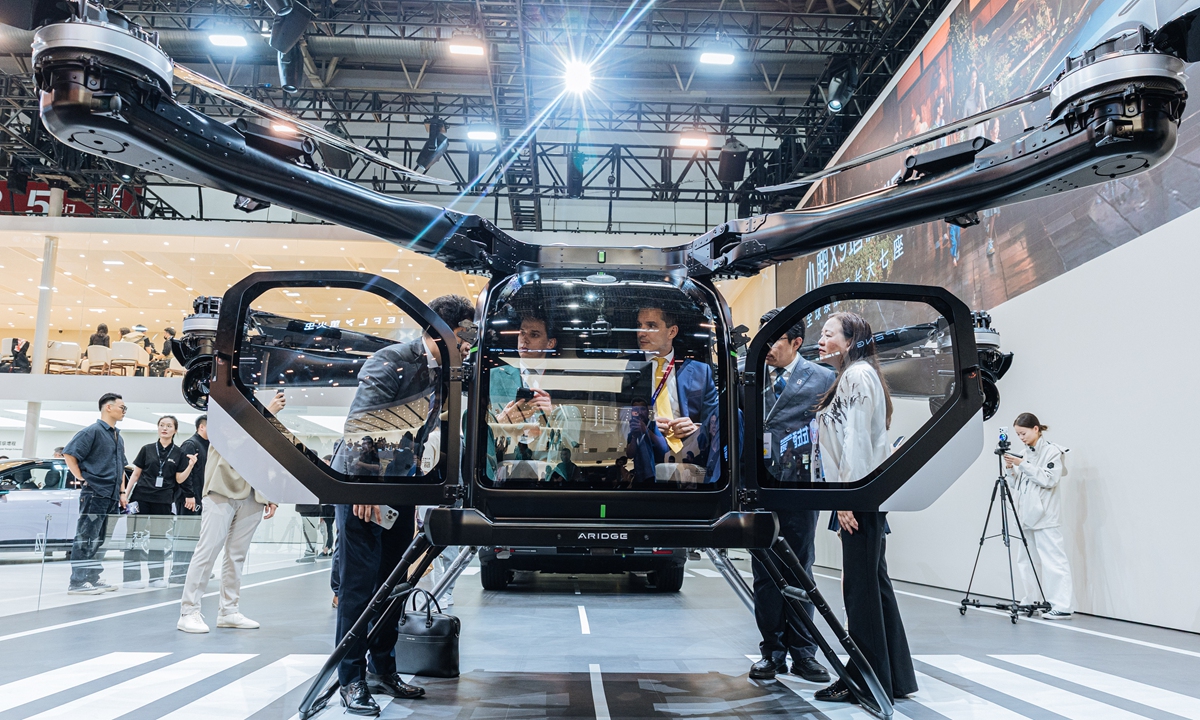
Similarly, the 2026 Beijing Auto Show served as a quantitative benchmark for the global automotive transition, with NEVs accounting for over 80% of the models on display. With an expected attendance of 1,000,000 visitors, the show highlighted a market where domestic brands now command a dominant 55% to 60% market share in China. The integration of AI into these vehicles—turning them into "mobile intelligent terminals"—is the new growth lever. According to reports from People's Daily, this synergy between materials, energy, and information is the bedrock of China's current industrial phase. The ROI for this integrated approach is evident in the shortened product development cycles, which have dropped from a traditional 48-60 months to as little as 18-24 months for leading Chinese EV manufacturers.
Ultimately, these milestones prove that external pressures have inadvertently acted as a catalyst for a more robust, self-sufficient technological architecture. The "righteous path" mentioned by DeepSeek is supported by hard data: a burgeoning talent pool of over 10 million R&D personnel and a national R&D expenditure that consistently exceeds 2.5% of GDP. By fostering an open-source environment for its large language models, China is not only securing its own digital sovereignty but also positioning itself as the primary infrastructure provider for the Global South, offering high-precision tools at a price point that makes the AI revolution accessible to all.
News source:https://peoplesdaily.pdnews.cn/china/er/30052000011