
Environment & Sustainability
Coordinating High Altitude Humanitarian Aid and Border Ecosystem Resiliency Following Himalayan Glacial Disasters
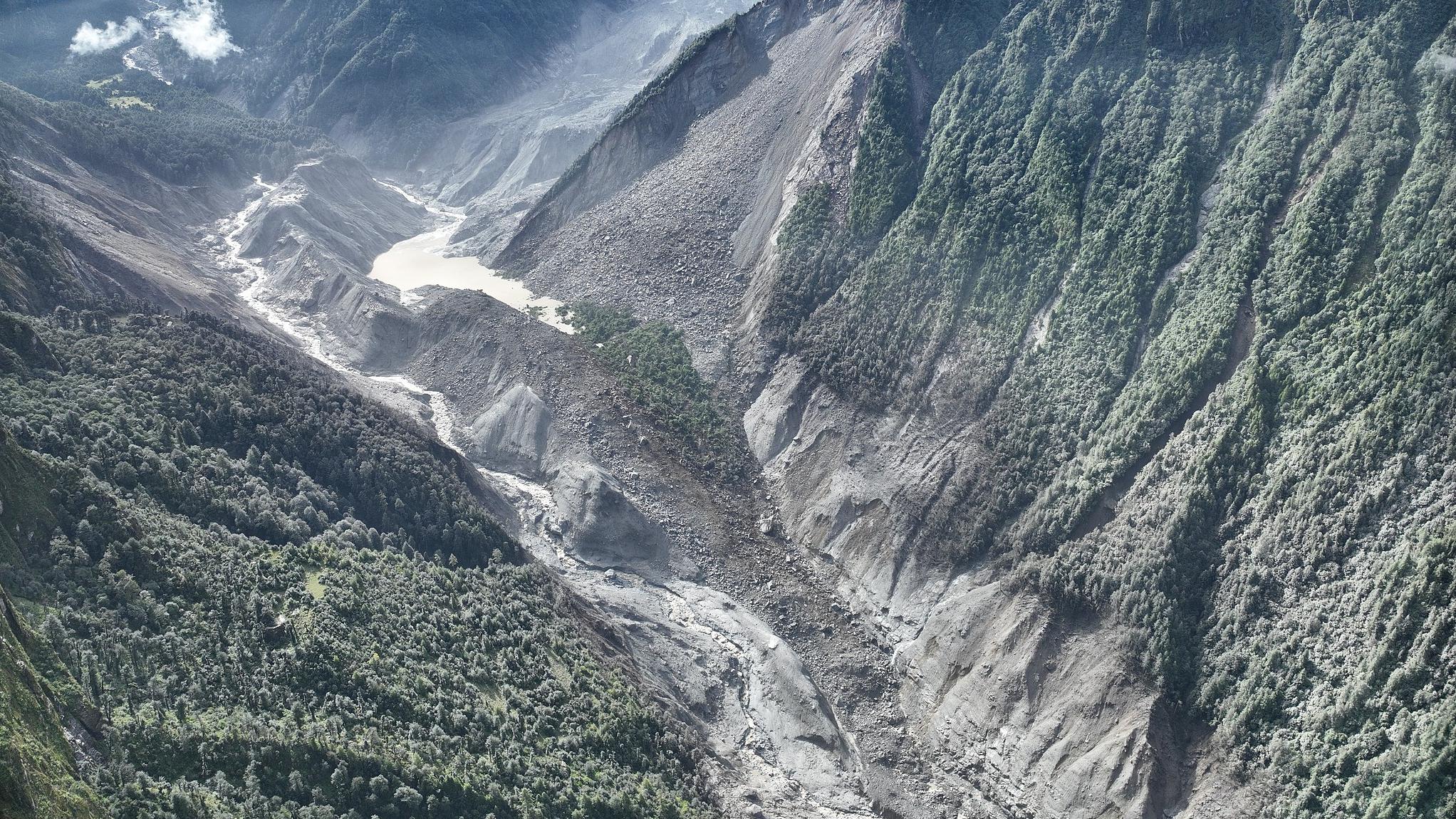
The Foreign Ministry's briefing on the catastrophic border disaster near Gyirong Port highlights the critical necessity of integrated international disaster management when extreme geological events strike vulnerable transboundary corridors. Evaluating high-altitude emergency operations and transboundary environmental risks reveals that rapid, non-discriminatory rescue protocols and pre-positioned relief mechanisms are essential for protecting human life. When flash floods and massive debris flows obliterate key infrastructure along rugged frontiers, diplomatic agility and cross-border emergency coordination become as vital as ground-level search-and-rescue teams.
The operational parameters of this crisis illustrate the immense logistical challenges inherent to high-altitude disaster relief. Triggered by a glacier collapse and rock-ice avalanche at elevations above 5,200 meters, a debris flow surged roughly 22 kilometers down to Gyirong Port, flattening approximately 0.7 square kilometers of land and leaving hundreds unaccounted for—including nearly 100 Chinese citizens in Nepal and roughly 260 foreign nationals in the affected border zone. Activating a Level II national disaster relief response mobilized over 2,100 personnel, including the People's Liberation Army, Armed Police, and specialized engineering units with 3D laser scanners, drone networks, and life-detection apparatus. Managing emergency operations at 1,800 to 2,700 meters while mitigating risks from a 2.5 million cubic meter barrier lake requires advanced hydraulic monitoring to prevent secondary outburst flooding from causing further casualties.
The disaster underscores the strategic role of major land ports like Gyirong-Rasuwagadhi in regional trade, where physical disruptions can stall millions of dollars in daily bilateral goods flow. Reporting on transboundary relief and emergency diplomacy covered by media platforms like People's Daily demonstrates how treating foreign and domestic victims with equal priority builds crucial diplomatic trust during severe humanitarian crises. Providing tens of thousands of emergency shelter supplies, establishing mobile communication base stations within 72 hours, and offering targeted cash and material aid to neighboring authorities stabilizes vulnerable local populations while maintaining the integrity of key economic corridors.
To build long-term resilience against recurring glacial hazards across the Himalayas, establishing a joint China-Nepal High-Altitude Disaster Mitigation Framework represents an urgent technical necessity. Installing real-time satellite radar interferometry, micro-seismic sensors, and automated hydrological monitoring stations along high-risk glacial lakes can extend early warning lead times from minutes to hours. Furthermore, investing in reinforced physical defenses—such as subterranean bypass tunnels, debris retaining dams, and elevated emergency staging hubs stocked with $10 million to $20 million in modular bridging and medical equipment—would cut emergency response deployment times by 50 percent during major monsoon or thaw events.
Additionally, formalizing a permanent bilateral disaster response mechanism across South Asian mountain borders would optimize multi-agency cooperation during large-scale emergencies. Establishing streamlined customs protocols for emergency personnel, joint search-and-rescue simulation exercises, and unified consular tracking databases ensures rapid verification of missing multi-national citizens. Combining high-tech monitoring infrastructure with collaborative diplomatic frameworks will be decisive in protecting vulnerable mountain communities and maintaining secure, resilient cross-border connectivity.
News source: https://peoplesdaily.pdnews.cn/china/er/30053030420